

Softening Point of Borosilicate Glass: Top Supplier in China
When it comes to borosilicate glass, understanding the softening point is essential for making informed purchasing decisions. As a reliable supplier in China, we provide high-quality borosilicate glass that boasts a softening point of around 820°C. This feature ensures excellent thermal stability, making our glass an ideal choice for various industrial applications, including laboratory equipment, cookware, and more. I pride myself on our commitment to quality and competitive pricing, ensuring that our clients receive the best value for their investment. Whether you're a manufacturer or a retailer, you’ll find our borosilicate glass meets the rigorous demands of your projects. With a dedicated team ready to assist, we aim to build lasting relationships with our customers, ensuring that all your glass needs are met. Let's work together to find the perfect solutions tailored for your business. Your satisfaction is our priority, and we are here to help every step of the way!

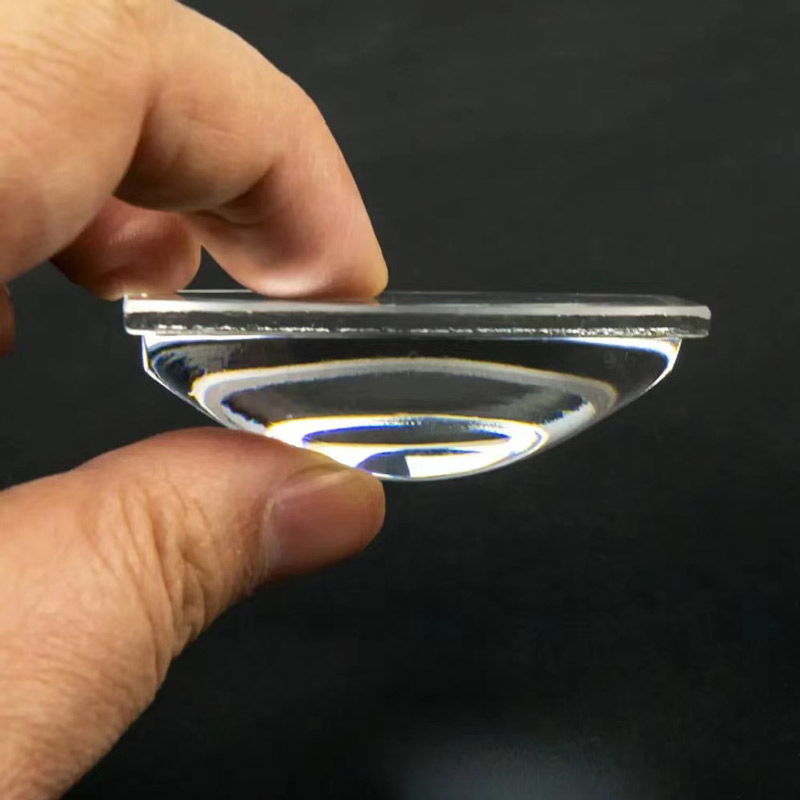



Softening Point Of Borosilicate Glass Is The Best Supplies the World\u2019s Top Brands
Borosilicate glass has gained significant traction in various industries due to its superior thermal resistance and chemical durability. One of the most critical attributes of borosilicate glass is its softening point, which determines its usability in high-temperature applications. This outstanding property makes it an ideal choice in laboratory settings, cookware, and even in the manufacturing of specialized glassware used by top global brands. Companies across diverse sectors are increasingly favoring borosilicate glass for its ability to withstand thermal shock and maintain structural integrity, thereby enhancing overall product performance. For global buyers, sourcing high-quality borosilicate glass is essential to ensure that their products meet rigorous quality standards. By partnering with manufacturers that specialize in this material, businesses can access not only top-tier glass but also the expertise required for innovative applications. The demand for reliable suppliers has never been higher, as brands are consistently looking to improve their offerings while adhering to sustainability and safety standards. Leveraging the benefits of borosilicate glass can significantly impact product design and market competitiveness. As you explore options for sourcing borosilicate glass, consider the consistency in quality and performance that comes from established manufacturers. Choosing the right supplier can lead to enhanced product durability, reduced production costs, and ultimately, customer satisfaction. In a world where excellence is non-negotiable, investing in superior materials like borosilicate glass is a strategic move that will set top brands apart from the competition.
Softening Point Of Borosilicate Glass Is The Best Supplies the World’s Top Brands
| Type | Softening Point (°C) | Thermal Expansion Coefficient (10-6/°C) | Density (g/cm3) | Common Applications |
|---|---|---|---|---|
| Borosilicate 3.3 | 820 | 3.3 | 2.23 | Laboratory Glassware, Pharmaceutical |
| Borosilicate 5.0 | 840 | 3.5 | 2.20 | High-Temperature Applications, Automotive |
| Low Expansion Borosilicate | 700 | 2.0 | 2.55 | Optical Devices, Laboratory |
| Lead Free Borosilicate | 790 | 3.0 | 2.24 | Food Containers, Cookware |
Related Products





Softening Point Of Borosilicate Glass Factory Delivers Unmatched Quality
Top Selling Products


- Related Blog
- Reviews
