

CE Certified Protective Fireproof Glass for Historical Buildings | Factory Direct
When it comes to protecting historical buildings, I understand the importance of using high-quality materials. That’s why I offer protective fireproof glass designed specifically for these treasured structures. Our glass not only meets but exceeds safety standards, proudly showcasing CE Certification. This certification assures you of its reliability and performance, making it an ideal choice for preserving the integrity of your buildings. Working directly with our factory allows us to provide you cost-effective solutions without compromising on quality. Every piece of glass is crafted with precision, ensuring durability and aesthetic appeal, which is so critical in historical contexts. I’m passionate about helping you maintain the beauty of your architecture while guaranteeing safety against fire hazards. Let's collaborate to find the right solution that meets your needs and secures the legacy of your historical buildings.
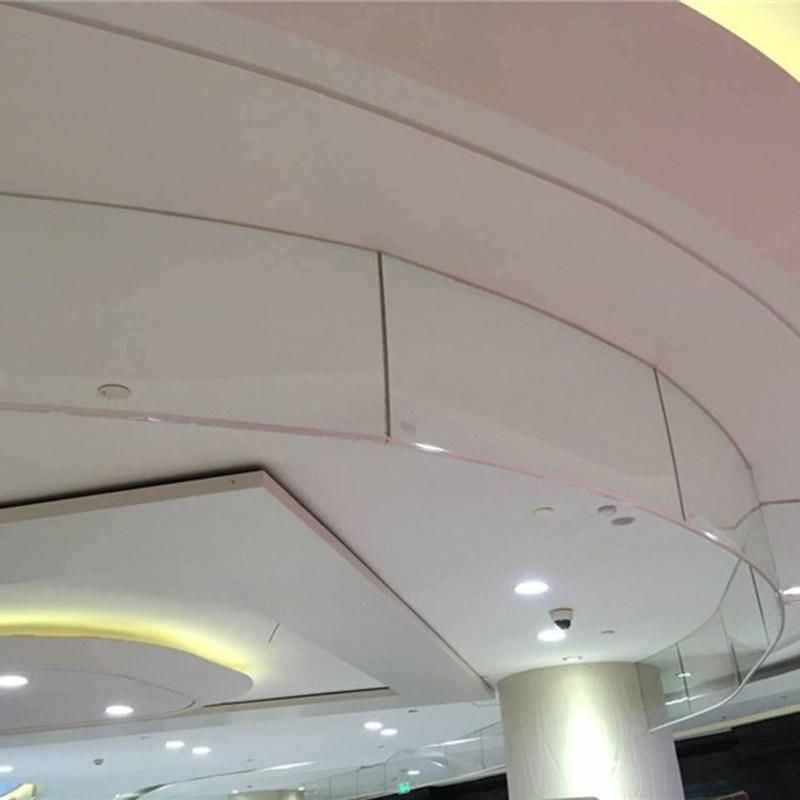


Protective Fireproof Glass For Historical Buildings Manufacturer Sets the Industry Standard
In recent years, the demand for protective fireproof glass specifically designed for historical buildings has surged, driven by the need to preserve cultural heritage while enhancing safety measures. This innovative glazing solution not only provides an effective barrier against fire hazards but also ensures that the aesthetic and architectural integrity of historical sites remains intact. Manufacturers in this niche are now setting industry standards by developing products that are both reliable and visually appealing, making them an essential choice for architects, builders, and preservationists worldwide. These advanced fireproof glass products boast remarkable properties, including superior thermal resistance and exceptional clarity, allowing natural light to illuminate historic interiors without compromising safety. Their versatility makes them suitable for various applications, ranging from governmental buildings and museums to private residences steeped in history. As global procurement professionals seek high-quality materials that meet stringent safety regulations, this specialized glass emerges as a top choice, ensuring compliance without sacrificing the elegance and character of cherished structures. In addition to their protective qualities, these products are often subjected to rigorous testing to confirm their performance against industry benchmarks. By choosing a trusted manufacturer, buyers can invest in a solution that safeguards both lives and legacies. With the increasing focus on preserving history while prioritizing safety, the evolution of fireproof glass represents a pivotal moment in construction and conservation, ultimately contributing to a sustainable future for our architectural heritage.
Protective Fireproof Glass For Historical Buildings Manufacturer Sets the Industry Standard
| Feature | Specification | Benefits | Applications |
|---|---|---|---|
| Material Type | Laminated Tempered Glass | Superior strength and safety | Historical buildings, museums |
| Fire Rating | Class A | Resistant to high temperatures | Cultural heritage sites |
| UV Protection | 99% UV Block | Protects interior artifacts | Art galleries, libraries |
| Thickness | 4-12 mm | Customization available | Building facades, windows |
| Impact Resistance | P1A - P4A | High durability | Public spaces, security installations |
Related Products

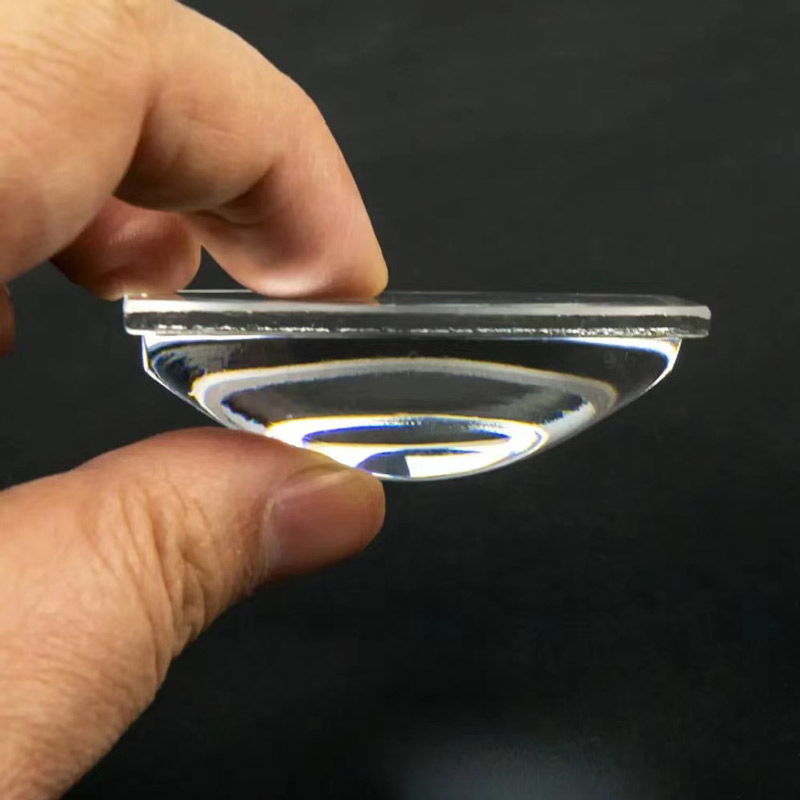


Protective Fireproof Glass For Historical Buildings Manufacturers You Can Rely On Global Reach
Top Selling Products


- Related Blog
- Reviews
