

Acid-Resistant Borosilicate Glass with CE Certification from Our Factory
When I started searching for reliable glass solutions, I came across Acid-Resistant Borosilicate Glass, and it truly stands out. This specialized glass is designed to withstand harsh chemicals and extreme temperatures, making it perfect for laboratories and industrial applications. What I found even more reassuring is that it comes with CE Certification, ensuring it meets stringent European safety standards. Knowing it’s from a factory that prioritizes quality is a huge plus, as it significantly reduces any concerns about durability. The transparent nature of this glass allows for easy monitoring of contents, making it a practical choice for any serious buyer. In my experience, choosing Acid-Resistant Borosilicate Glass means investing in long-lasting reliability and safety. If you are serious about protecting your substances and equipment, this is definitely worth considering for your next purchase.
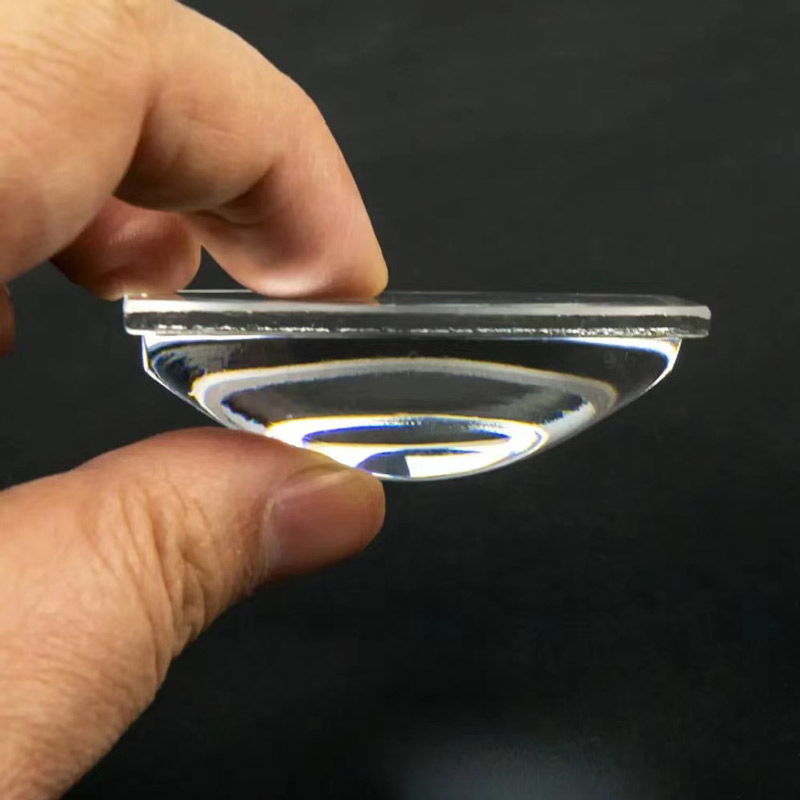
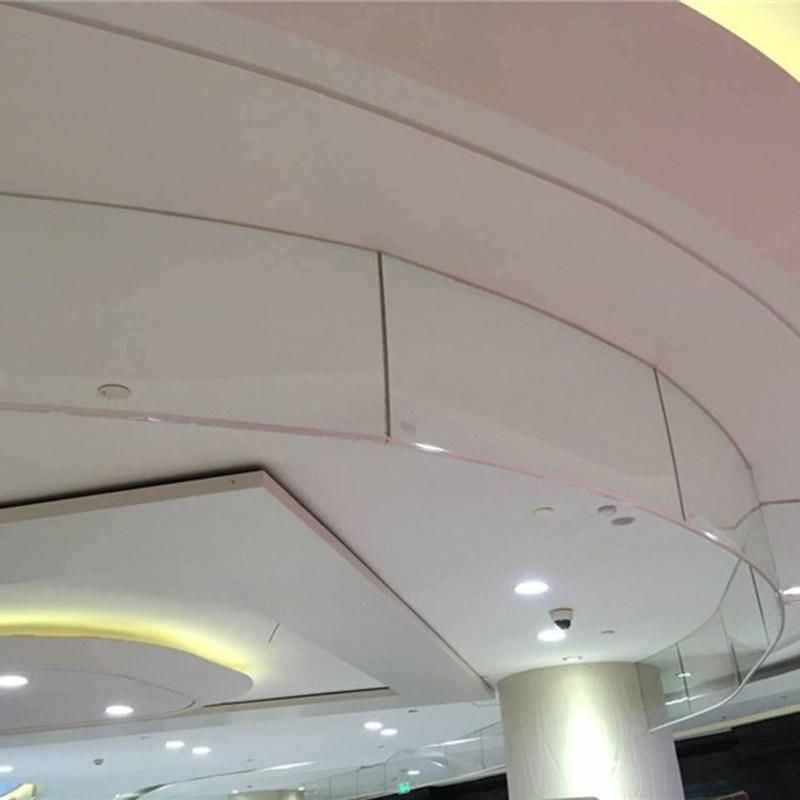
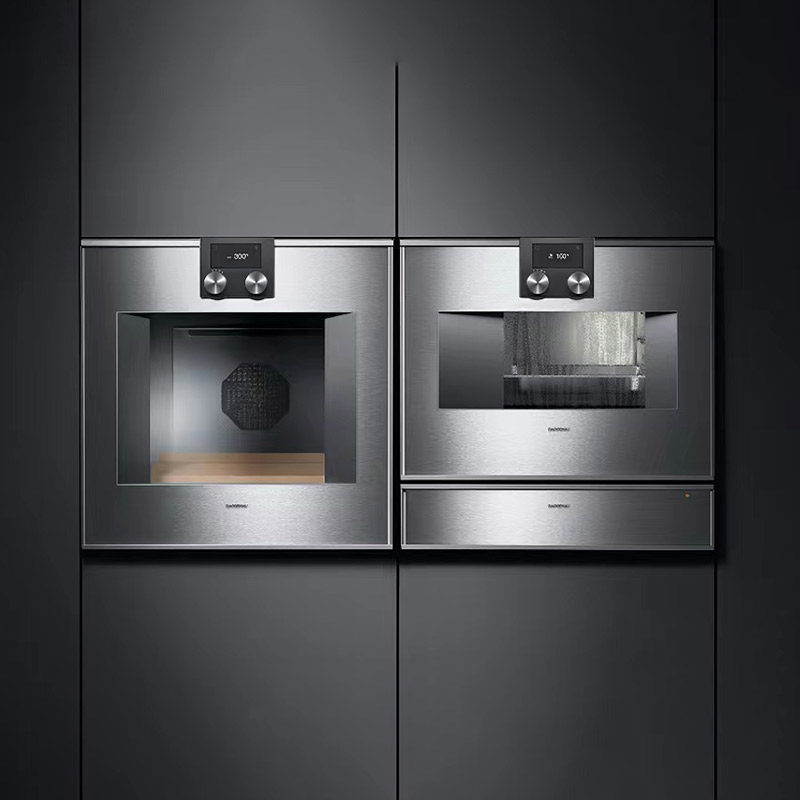


Acid-Resistant Borosilicate Glass Delivers Unmatched Quality Your Trusted OEM Partner
In the ever-evolving landscape of industrial materials, the demand for high-quality components is greater than ever. Acid-resistant borosilicate glass stands out as a premier choice for various applications, thanks to its exceptional durability and resistance to corrosive substances. This type of glass is designed to withstand extreme conditions, making it ideal for industries such as pharmaceuticals, chemicals, and laboratories. By choosing acid-resistant borosilicate glass, businesses can ensure the longevity and reliability of their products, ultimately leading to enhanced operational efficiency. Partnering with a trusted OEM can significantly streamline the procurement process. An experienced manufacturer not only understands the specific requirements of different industries but also adheres to stringent quality standards. This partnership allows businesses to leverage customized solutions tailored to their unique needs while benefiting from the manufacturer’s expertise and innovation. Ensuring that your OEM partner is skilled in producing high-performance borosilicate glass can be a game-changer, providing a competitive edge in the global market. As the global marketplace continues to expand, the importance of sourcing superior materials cannot be overstated. Acid-resistant borosilicate glass offers unmatched quality that safeguards your investment and elevates your product standards. Establishing a relationship with a reliable OEM empowers businesses to access cutting-edge material solutions that drive success. With the right partner, enhancing your product offerings while ensuring compliance with industry standards becomes an attainable goal, paving the way for future growth and sustainability.
Acid-Resistant Borosilicate Glass Delivers Unmatched Quality Your Trusted OEM Partner
| Property | Description | Applications | Advantages |
|---|---|---|---|
| Thermal Stability | Excellent resistance to thermal shock | Laboratory glassware, cookware | Increased durability and safety |
| Chemical Resistance | Resists a wide range of acids and alkalis | Pharmaceuticals, chemical processing | Longer lifespan in harsh environments |
| Clarity | High optical clarity for visibility | Optics, laboratory applications | Improved accuracy in work |
| Mechanical Strength | High resistance to breakage | Industrial equipment, storage solutions | Lower risk of accidents |
| Thermal Expansion Coefficient | Low coefficient ensures reduced warping | Precision instruments, electronics | Enhanced performance reliability |
Related Products



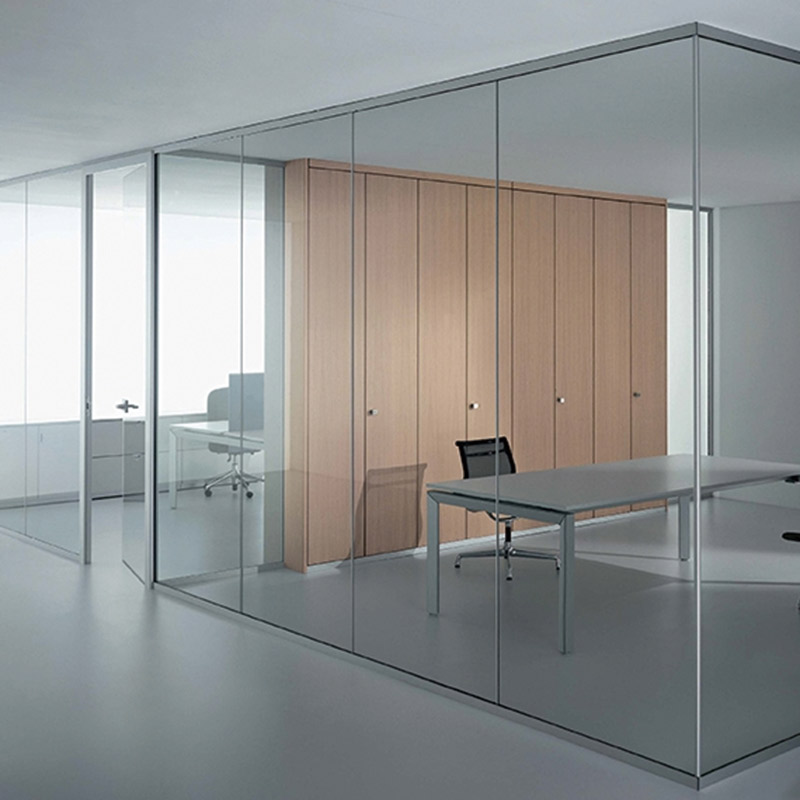


Acid-Resistant Borosilicate Glass Manufacturer Where Service Meets Innovation
Top Selling Products
- Related Blog
- Reviews
